

Prof. Peter Piot
Former Director-General, UNAIDS; Professor, London School of Hygiene & Tropical Medicine
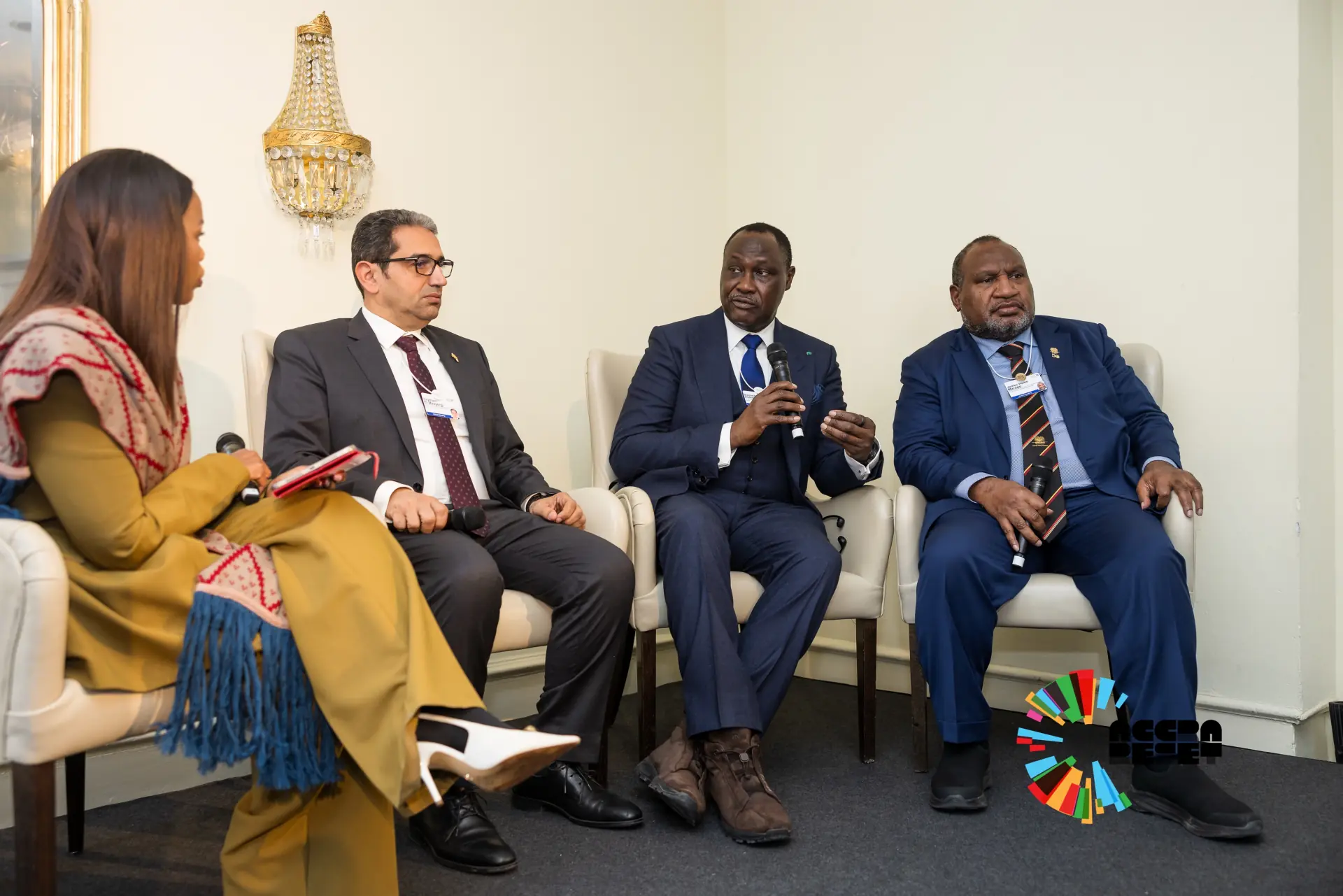
The Accra Reset does not present isolated programmes. It delivers an integrated system: a sovereign health architecture, an economic transformation platform, and a negotiator-capacity engine that reinforce one another in practice.
The six programme nodes do not sit side by side. They form a connected system in which diagnosis, accountability, delivery, industrial execution, labour mobility, and negotiation capacity continuously reinforce one another.
Health is the vanguard sector of the Accra Reset. Africa still imports over 70% of its medicines, more than 90% of its medical devices, and over 99% of its vaccines, while external health financing has become more volatile. The Accra Reset responds by linking normative reform, institutional accountability, and sovereign delivery in one interlocking health architecture.
Normative Reform
What must change?
High-Level Panel on Reform of the Global Health Architecture and Governance
An independent, time-bound panel of 19 global experts and eminent practitioners mandated by Heads of State to identify the structural bottlenecks preventing a sovereignty-led health order and to turn diagnosis into reform authority.
Institutional Interface
Who is accountable?
High-Level Consultative Group with the Reform Interlock Observatory
The structured interface between major global health institutions and country stakeholders, equipped with an analytical engine that tracks whether reform commitments actually reach countries.
Sovereign Delivery
What gets built?
Health Investment National Gateways Enabler
A sovereign, country-focused delivery mechanism that turns political commitments into bankable, executable health investments within 24-month cycles.
How The Three Health Programmes Work Together
HLP-GHAG defines the reform problem, HLCG-RIO tests whether institutions are responding in ways countries can actually feel, and HINGE turns those reform signals into executable delivery compacts. The sequence below shows where one programme ends and the next begins.
HLP-GHAG
This is the diagnosis and reform section. Read everything below as the work of the panel itself: its co-chairs, membership, and milestone arc.
Former Director-General, UNAIDS; Professor, London School of Hygiene & Tropical Medicine
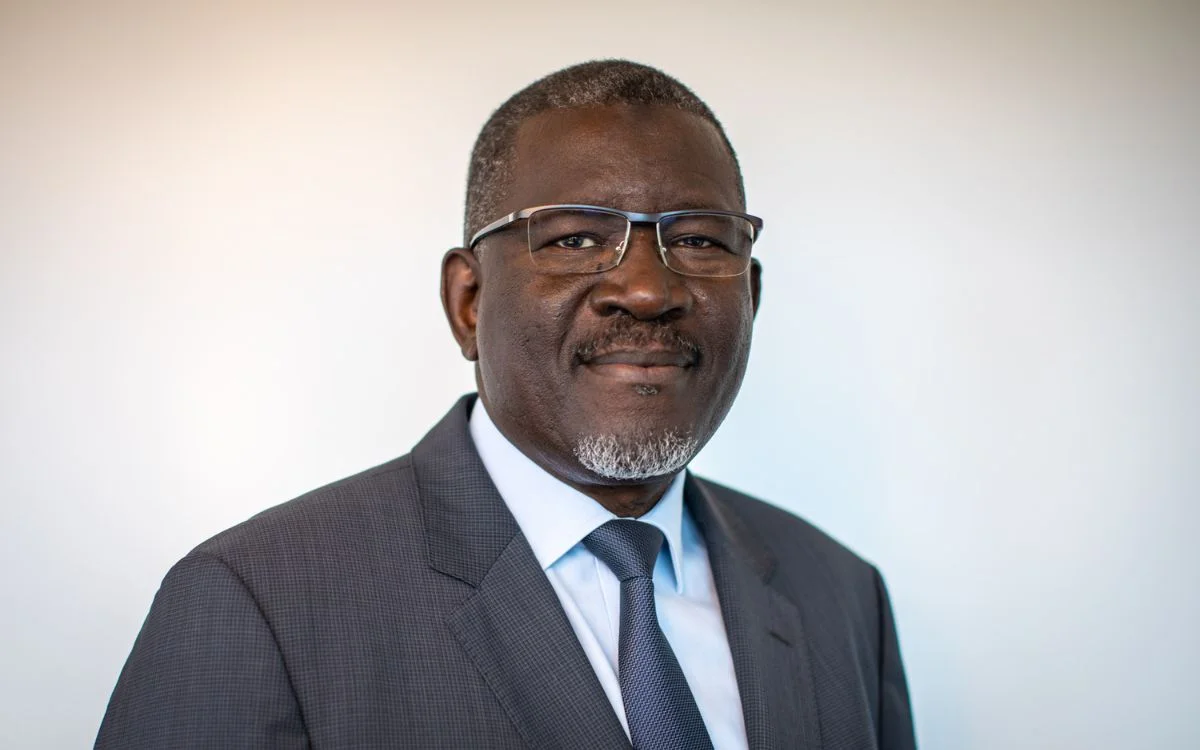
Chair, Kofi Annan Foundation; former Under-Secretary-General, United Nations

Vice President for Production and Innovation in Health at Fiocruz, Brazil
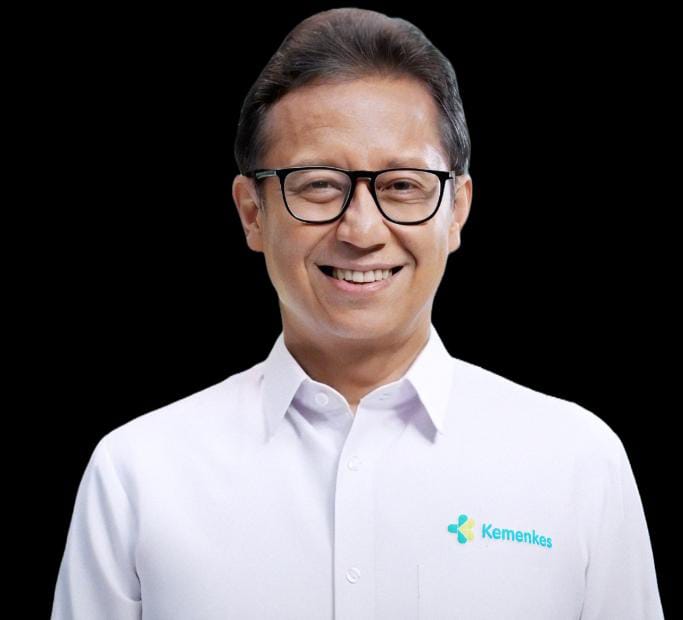
Minister of Health, Republic of Indonesia
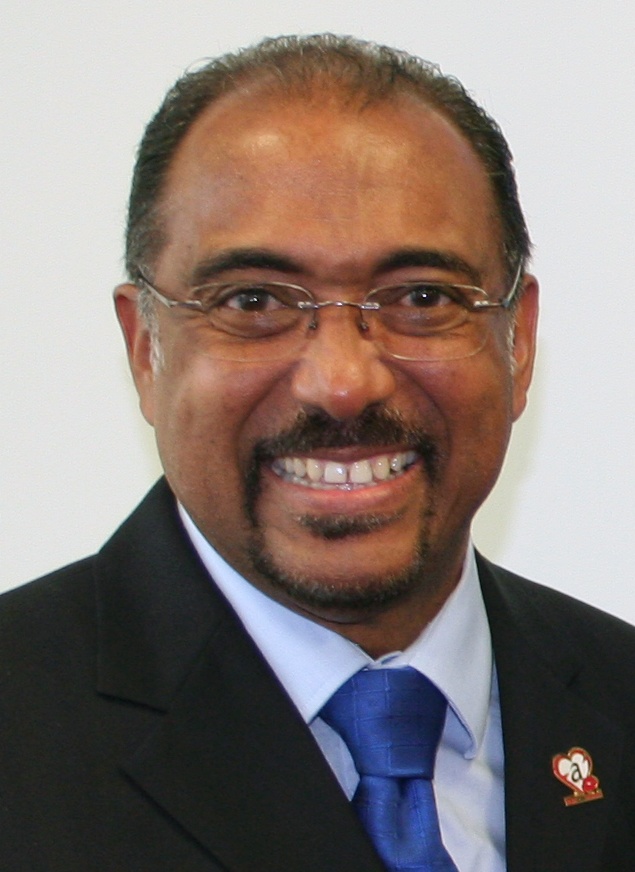
Special Advisor to The High-Level Panel
HLCG-RIO
The HLCG brings institutional leadership into structured dialogue with country stakeholders. RIO is the analytical engine that tracks whether reform commitments are visible and meaningful inside countries.
Everything in this section belongs to the accountability layer: the observatory, the tracked reform processes, and the institutional principals who must respond.
Four Operational Layers
Catalogues every pledged reform, strategy shift, and policy adjustment across the major global health institutions.
Structured interviews with apex country stakeholders to map awareness, alignment, and perceived impact inside representative Global South settings.
Country-level soundings across ministries, procurement systems, pharmacy leadership, and delivery actors to surface resistance, gaps, and implementation friction.
Plots country-determined reform pathways against the trajectory implied by institutional commitments, quantifying where accountability breaks down.
Institutional Reform Processes Tracked
Governance and financing reform with emphasis on primary health care, emergencies, and sustainable financing negotiations through WHA 79.
Integrated immunisation and PHC platforms, equity and sustainability, and the zero-dose agenda at the core of the next cycle.
The 8th Replenishment cycle and its evolving mandate toward health systems strengthening, pandemic preparedness, and stronger country ownership.
HLCG Membership
HINGE
HINGE converts summit commitments into bankable programmes within 24-month cycles. It aggregates country investment pipelines first, brings finance ministries into compact design from inception, and treats health programmes as sovereign financing deals integrated into national fiscal planning rather than late-stage budget requests.
This section is the delivery layer. Read it as the place where the earlier reform and accountability work becomes a country-level investment compact with execution, financing, and measurable focus areas.
Defines epidemiological priorities, service delivery targets, workforce needs, and domestic manufacturing opportunities.
Structures the compact, stress-tests fiscal realism, aligns timelines, and integrates delivery into an executable investment logic.
Brings fiscal space analysis, MTEF integration, debt sustainability, and counterpart funding into the compact from inception.
Point-of-care diagnostics, domestic manufacturing of oxytocin and misoprostol, cold chain infrastructure, and community health worker deployment.
Regional manufacturing for infectious-disease response, technology transfer, WHO prequalification support, and vaccine acceleration.
70%
Of global maternal deaths occur in Sub-Saharan Africa. HINGE is designed to turn that reality into a structured maternal and newborn health investment agenda.
The Accra Reset works with growth multipliers rather than spending targets. Sovereign Prosperity Spheres and Masterkey provide the productive and mobility infrastructure that turns growth into shared prosperity.
Sovereign Prosperity Spheres
The production architecture is modular industrialisation. The financing architecture is critical minerals sovereign exchange instruments. When the two align, mineral wealth capitalises industrial development.
Cereals, horticulture, and food processing anchored in corridor-based aggregation, milling, and distribution.
Shared design, quality, and logistics infrastructure connecting artisanal production to formal markets.
Sustainable tree-crop systems supported by processing, logistics, and export infrastructure.
Modular construction using locally sourced materials to tie housing delivery directly to industrial capacity-building.
Mineral Pairing
Gold-backed sovereign exchange instrument.
Mineral Pairing
Cobalt architecture designed to capitalise regional processing and value retention.
Mineral Pairing
Platinum pairing positioned as a financial anchor for a hydrogen economy vehicle.
Masterkey is the sovereign digital infrastructure layer that makes free movement economically real by connecting identity, credentials, labour matching, and fiscal participation.
Interoperable identity rails with cryptographic proof and state-retained data sovereignty.
A portable, continuously updated repository for certifications, licences, and sector badges.
Verified worker-to-employer matching, with digital services and health administration as the first corridors.
A fiscal layer that lets participating states share in the proceeds of skills exports rather than merely lose talent.
Negotiation is where sovereignty lives or dies. SIGN is the first structured credentialling programme for sovereign negotiators in Africa and the Global South.
Institutional Foundations
SIGN is delivered through AfroChampions and the African School of Governance in Kigali, operates within the GUNS credentialling architecture, and draws its intellectual content from the Sankoree Institute as a primary thought-leadership vehicle of the Africa Council on Global Affairs.
Launch Moment
Kigali, 14 May 2026, at the Africa CEO Forum.
The programme launch in Kigali established SIGN as the public-facing identity of the sovereign negotiator platform, with GUNS retained as the internal credentialling architecture.
Venue
Kigali Convention Centre, alongside the Africa CEO Forum.
Identity Shift
SIGN leads publicly; OCTagon functions within SIGN as an enabling tool.
Formal Launch
14 May 2026, Kigali Convention Centre, on the sidelines of the Africa CEO Forum.
Signatories
Paulo Gomes for AfroChampions and Francis Gatare for ASG.
Patrons
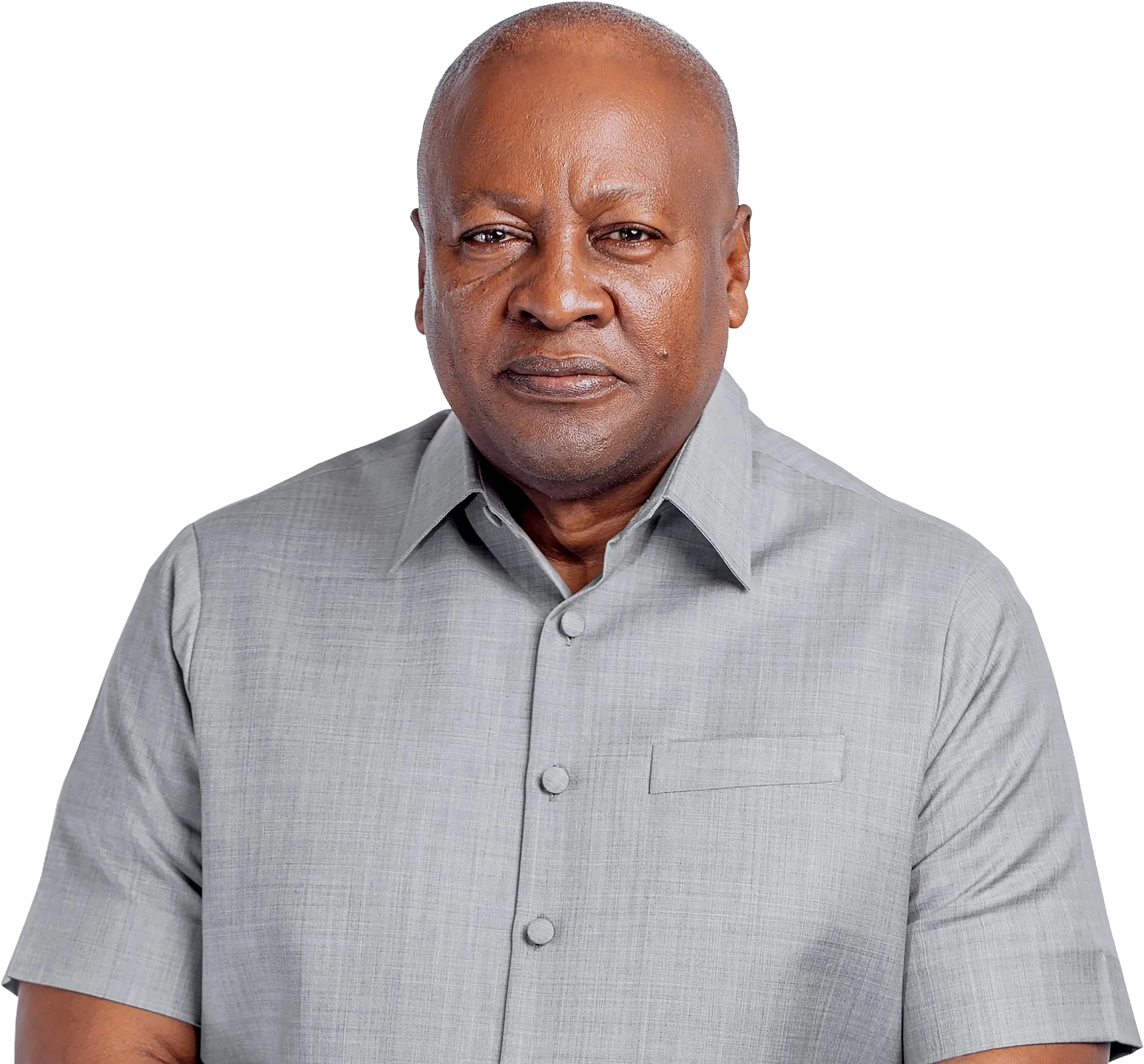
H.E. John Dramani Mahama
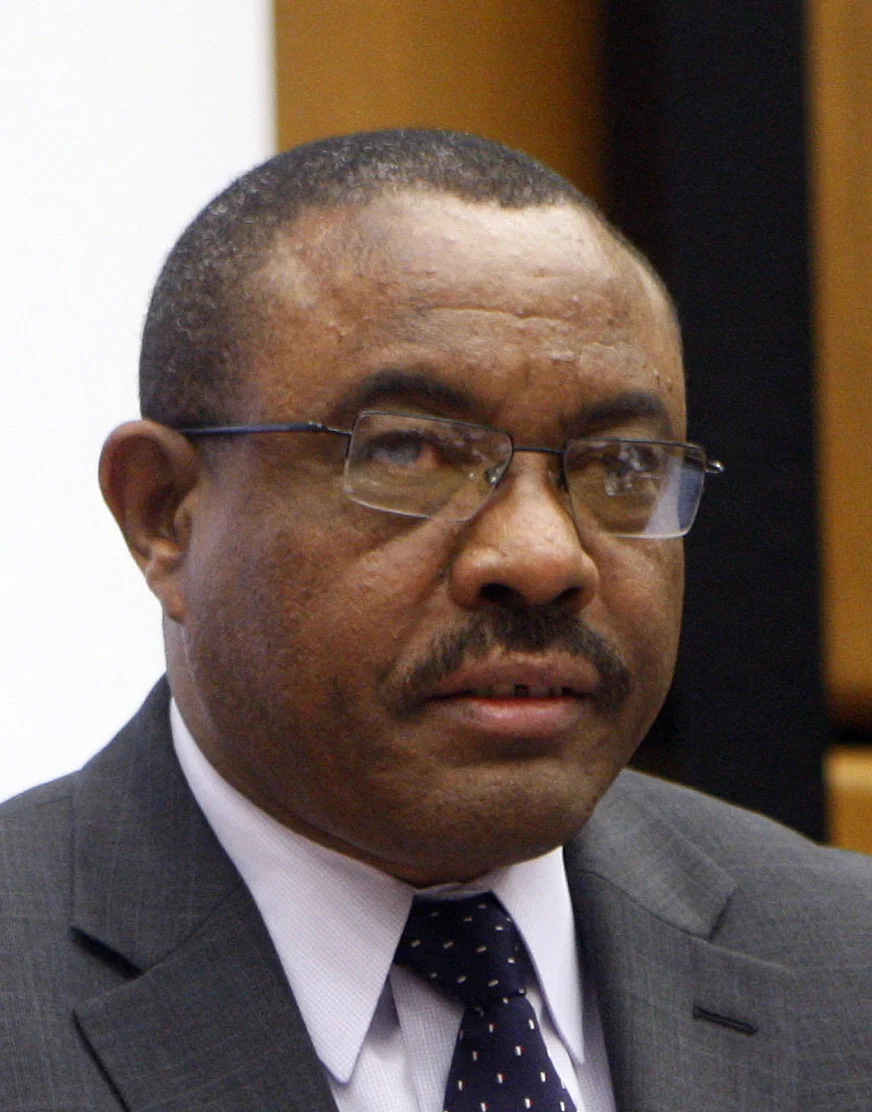
H.E. Hailemariam Desalegn

H.E. Olusegun Obasanjo

H.E. Ellen Johnson Sirleaf
Network Architecture
Anchor campus for the delivery of the SIGN programme.
Confirmed delivery node for programme expansion and practice-based learning.
Lee Kuan Yew School of Public Policy remains a future partnership pathway, not a current delivery anchor.
How SIGN Works
Practice-oriented simulations around critical minerals, debt restructuring, energy purchase agreements, regional corridor compacts, and other live sovereign negotiation scenarios.
Sector Coverage
Joint ventures, processing value retention, stabilisation clause stress-testing, and beneficiation requirements for sovereign industrial deals.